I realize this blog is titled "Evolutionary Psychiatry," and I have yet to actually mention much psychiatry. In part because my job is to stick my nose where it doesn't belong, such asking you about your relationship with your father, or smack in the middle of metabolic syndrome and weight loss. In part we began with the paleolithic theories because I wanted to describe a basis of healthy eating, and put out some more information to say I'm not coming completely out of left field, though some of my perspectives aren't exactly conventional (though perhaps they are exceedingly conventional, seeing as how I prefer to eat as my ancestors did). I'm happy to be proven wrong about my ideas and perspectives if I find something that changes my mind along the way.
But let's talk about depression for a bit. It's a blockbuster, after all. In any given year, approximately 9% of the adult population is suffering from major depression or dysthymia (1). Women are afflicted about 2-3 times as often as men, and 10-15% of women will become depressed after having children.
What is depression? Well, one must have a certain number of the following symptoms for a certain period of time - depressed mood, lack of interest, appetite changes (increased or decreased), sleep changes (increased or decreased), a generally negative outlook, suicidal thoughts, feelings of hopelessness, helplessness, worthlessness, poor energy, poor motivation, poor concentration, feelings of guilt... you get the picture. What causes depression? Well, it isn't zoloft deficiency. (That doesn't mean that zoloft won't help...) But it is obviously a combination of factors, including genetic predisposition, adaptive versus maladaptive coping skills, levels of stress, and sometimes biological or iatrogenic (i.e. caused by other medical treatments) factors.
To appropriately treat depressive disorders, one must obviously address all these these factors, and the generally accepted procedure nowadays is to combine a thorough medical work-up, psychotherapy, and medication if needed. In that respect the treatment for depression is extremely similar to the treatment for obesity and diabetes - which involves medical monitoring, nutritional counseling, psychological counseling if needed, and medication if needed.
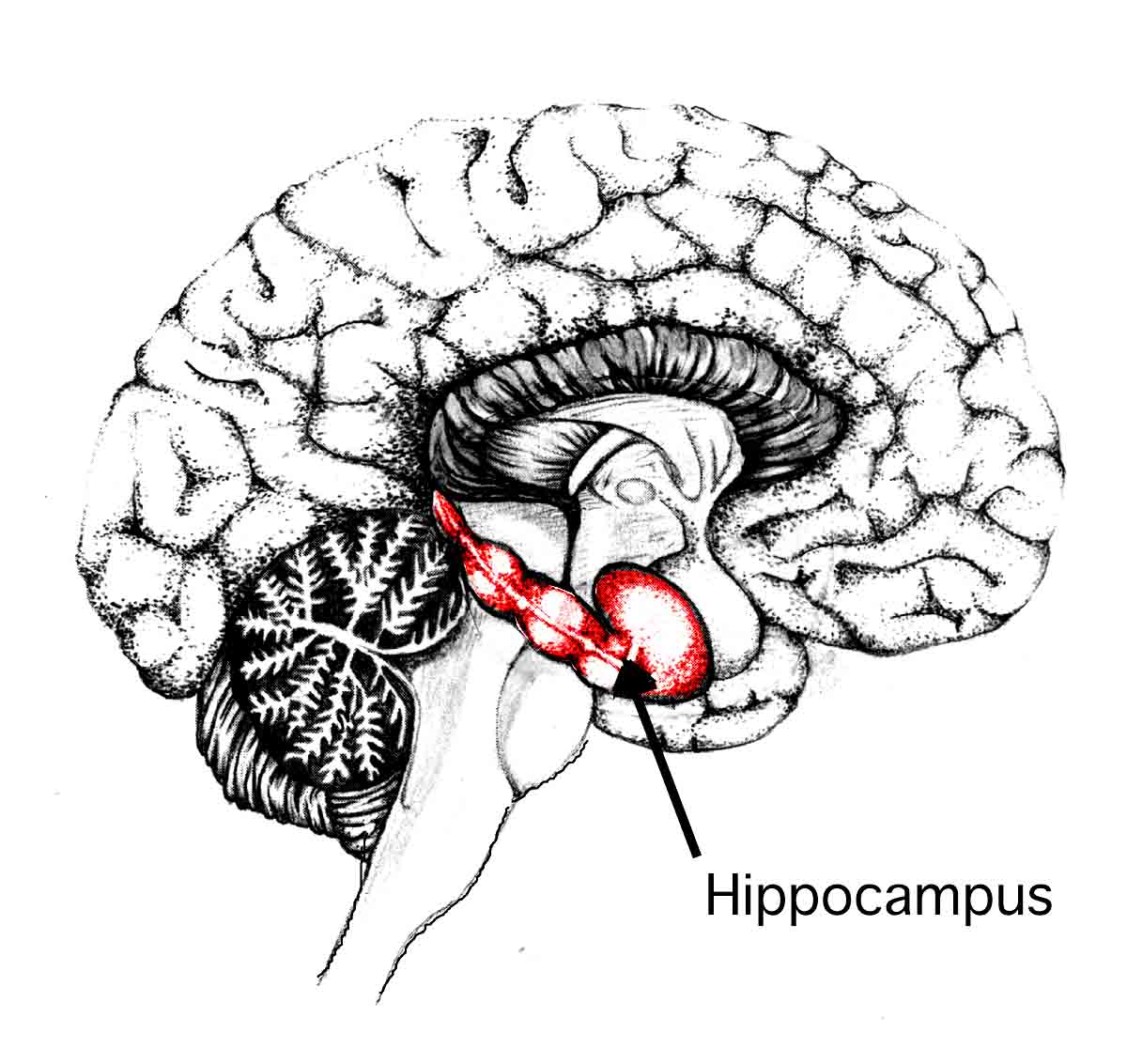
But what *really* causes depression? Biologically speaking? Having a clinical depression means your brain isn't working as it should, and number of factors have been implicated. Among them serotonin system dysfunction, and problems with norepinephrine regulation. But the heart of the matter may be way down in the hippocampus, where stress may interact with genetic predisposition and other factors to create a deficiency in a brain fertilizer of sorts, brain-derived neurotrophic factor (BDNF). It is thought that antidepressant medication actually helps depression by increasing the production of BDNF.
Well, what else can increase BDNF? What other commonly recommended treatment works just as well for depression as antidepressant medication? Exercise, of course. How would exercise increase BDNF in the hippocampus, of all places? There are a number of ways, but the most interesting to me right now is via nitric oxide. Nitric oxide is a gas we make in our red blood cells, especially during exercise and meditative-type breathing. Nitric oxide does all sorts of happy things in our bodies, including relaxing blood vessels and lowering blood pressure, and it is also necessary for erections in men.
Perhaps I have gone far afield of depression at the moment. We psychiatrists, always getting distracted. (Did you know that impotence is related to diabetes and insulin resistance?) But back to the brain! See, antidepressants have to be absorbed in the GI tract, then the active molecules have to somehow make it to the blood brain barrier, and then find the right part of the brain, where a whole cascade of membrane proteins, second messengers, vitamins, and neurotransmitters have to work in concert to increase the production of BDNF to cause the antidepressant effect. Whew. But good old nitric oxide, it is a tiny little molecule, a gas. It doesn't have to rely on all these other players. It can just float through membranes and bind directly to the promoter region of the gene for BDNF, and help the brain make more.
Great! Everyone go out and get some exercise, or meditate. But wait a minute.
It turns out that depressive disorders are a lot more common in people with type II diabetes, and that people with depressive disorders have a 65% greater chance than unaffected adults of developing diabetes. The correlation is so strong, in fact, that for a while researchers were trying to figure out if antidepressant medication actually caused diabetes. (Don't panic - unless the medicine is also making you gain weight, it is probably not adding to your risk of diabetes). As it turns out, successfully treating the depression doesn't improve the increased risk of diabetes. Hmmm, why would that be? Maybe because something else is causing diabetes and the depression, and zoloft isn't FDA-approved to treat insulin resistance?
Well, what does that have to do with the price of tea? I don't know, not 100%. But I have a sneaking suspicion about several factors. Here's one. You see, insulin resistance is associated with endothelial dysfunction (damage to the inner walls of the blood vessels). This means that nitric oxide isn't able to float through the blood vessels (where it is made) into the cells (where it is used). In a nutshell, the nitric oxide of people with insulin resistance cannot do all the things it needs to do. Such as help with sexual activity, reduce blood pressure, and perhaps, just perhaps, help the spectacular brain fertilizer, BDNF, repair the oxidative and inflammatory damage thought to be characteristic of a depressed brain.
So it turns out that maybe it is important for psychiatrist to know a little something about what causes insulin resistance and diabetes, and what an appropriate and effective dietary intervention might be for the whole metabolic derangement in the first place (hint - it's not a high carbohydrate diet).
Friday, June 18, 2010

Thursday, June 17, 2010
Eat What You Want**, Lose Fat, and Keep it Off Forever
** except for a few foods which currently constitute 60% of the standard American diet
(disclaimer again - I'm not your doctor - you may have a particular medical condition so that this information does not apply to you. Talk to your doctor if you have questions, but make sure he/she knows what the Friedewalde equation is!)
All you have to do is follow a few dietary rules to be more hunter gatherer in your eating:
1) Eat veggies. May substitute fruits sometimes, but most of the time it should be veggies. Prepare the veggies any way you like, and most people can use coconut oil and butter (from pastured sources is preferred).
2) Eat protein several times a day, too. It is preferable for it to be wild caught fish, organic poultry (or pork, for most people), shellfish and shrimp, omega 3 or organic eggs or grass fed beef, bison, buffalo, goats, venison, etc.
3) Snacks can be nuts, veggies, fruit, veggies with almond butter - that sort of thing.
4) Avoid (for the most part) soy, peanuts, grains, corn, and any processed food or added sugar.
5) Avoid all processed vegetable oils (watch those salad dressings, and "real" mayonnaise at the store is soybean oil! Use olive oil and lemon juice or vinegar!)
6) Keep your dairy high fat, fermented if possible, and try not to have it for every single meal.
7) Avoid alcohol (for the most part)
*Now a few simple lifestyle rules:
1) Get plenty of sleep
2) Move around (I'll have another post on exercise with more details)
3) Don't get too stressed (Build anti-stress/enjoyable time into your daily life)
*A few specifics on medical conditions/medications which may affect these rules:
1) Antihypertensive medication: Most people who start to eat this way decrease their salt consumption dramatically (no processed food), and the weight loss can lead to lower blood pressures fairly quickly. Keep your pressure monitored and consult your doctor.
2) Diabetes - especially type II, on any sulfonylurea medications (glipizide (glucotrol) and glyburide (micronase) are the most common, but there are several more): Dropping your carbohydrates like this can lead to low blood sugars if you are on these medicines, which cause your pancreas to secrete more insulin. So again, consult with your doctor!
3) Any condition for which you have to be on coumadin (warfarin) - A diet high in veggies can increase vitamin K, which will make your coumadin less effective. A diet high in omega 3s relative to omega 6 fatty acids will make you more likely to bleed (omega 6 fatty acids are pro-thrombic and omega-3s tend to displace them in the diet and in tissues). So again, go slowly (see below), keep the INR in check, and CONSULT WITH YOUR DOCTOR.
4) Advanced Ischemic Heart Disease and Severe Type II Diabetes - *some* evidence suggests saturated fats may actually be bad for you. Focus on the olive oil and fish oil, and keep in mind that most animal fats (the fat on your steak and in your chicken skin) are actually very high in oleic acid (same fat as olive oil) and other "cholesterol neutral" fats. Plain old saturated fat would include: coconut and palm oil, high fat dairy, butter, beef tallow, lard. This advice may change as the science on this subject is expanding far more rapidly than the "official" advice. But even Staffan Lindeberg, my paleonutrition guru, advises against loads of saturated fat with these conditions. I'll have a whole post on this once I do more research and wrap my head around the theory of lipotoxicity. However, I must admit I am exasperated with the cognitive dissonance between the official recommendations and what might actually work to help improve insulin resistance and reduce atherosclerosis. As near as I can tell, the official way to eat recommended to diabetics is moderate or low carb, lots of fiber, and low in animals and animal fat. This means you are pretty much limited to salad, skinless chicken breasts, olive oil, and wood chips (fiber), with some token whole grains, potato, or fruit thrown in. But the truth of the matter is, we can either be low carb OR low fat. Protein can't really change that much. Wood chips are not a viable substitution for fat. Sigh. I'm a psychiatrist, and this kills me. I'm not sure how the heads of nutritionists, cardiologists, and endocrinologists just don't explode.
*How to Start Slowly:
Not ready to take the full plunge? Still have lots of pasta in the pantry?
1) Start by ditching the processed food, meaning anything with 10 zillion ingredients and anything with high fructose corn syrup in it. Get rid of fruit juice, soda, and other added sugars. Take your coffee black or with cream, switch to a touch of honey (preferably raw) instead of sugar. Reduce the amount of honey over time. Use real maple syrup on your pancakes. You'll use less because it costs more.
2) After you're comfortable with that, then reduce the grains/sugars to one meal a day. The other meals should follow the simple dietary rules. Your best bet is to have the high-carb meal happen within a two hour window after you exercise. Your worst bet is to have your high-carb meal every morning for breakfast. If you want a sugary treat, eat it within 30 minutes after exercise.
3) Then clean up your grains. Wheat is probably the worst offender, wild rice and quinoa are the least, though you can pack on quite a carb load with an anemic-looking amount of rice. Get rid of any non-organic sources (the others will be genetically modified which *may* have autoimmune implications - until they are more thoroughly tested, why risk it?). Corn may be more or less okay, but in processed food usually comes with a lot of corn oil, which is horrible. Sorry.
*I'm following all your rules and I'm still not losing weight!!
1) What is your insulin status? You may be sensitive to too many carbohydrates (if you have excess abdominal fat, love handles, high blood pressure, have trouble losing weight, and you've been eating the standard American diet, you're probably a bit insulin resistant). First, ditch any remaining grains. Then decrease the amounts of more sugary fruits like apples, oranges, bananas, pineapples - you're better off with lower carb fruits like plums, peaches, figs, those kinds of things, and then only once a day or every few days.
2) Are you intolerant to lactose or casein? Get rid of the dairy (except eggs) and see what happens.
3) Are you following the lifestyle rules too? Diet is probably only 80% of fat loss.
4) Are you vitamin D deficient?
5) Are you eating too much protein? If you are packing in five pounds of porterhouse a day, you could be making glucose via gluconeogenesis, resulting in fat gain.
*I'm following all your stupid rules, and I feel like crap!!
1) A sudden drop in carbohydrates can cause some people to feel sick and tired and grouchy. This can happen even without ketosis (which won't generally happen with the amount of carbohydrates you would eat from having lots of veggies and fruit). This usually passes within a couple of days, (after which you will tend to feel energetic, clear-headed, and fabulous) but go to the "How to Start Slowly" section if you like.
*Wait a minute - where are the portion sizes and calorie counts?
1) Hunter gatherers did not have FitDay. And many modern hunter gatherer societies have plenty of food about - no malnutrition, and yet still they are effortlessly slim. Our appetites regulate themselves, as long as we don't have foods about which likely throw off our hormonal appetite regulation (added sugar and wheat are the most likely culprits). Don't go hungry. If you are hungry, eat. If you aren't hungry, you don't have to eat. If you're like me, you might not trust your natural appetite after watching your food closely for a long time. Then go for a pile of veggies and a palm-sized amount of protein. The rest will take care of itself.
*I want a cookie!!!!!
Eat a cookie.
No, seriously, eat a cookie. The way of eating detailed above puts us into a fat-burning metabolic mode. As long as you spend the majority of your time eating according to the rules, you should be in fat-burning mode most of the time, and a cookie ain't gonna hurt much. You will be out of fat-burning mode for a few hours. Big deal. If you are insulin resistant, it will be harder to get into fat-burning mode, and harder to get out of fat-storing mode. So a cookie is going to do your diet more harm than someone who is insulin sensitive.
* The American Heart Association Or Other Official Grand Poohbas say that vegetable oils are fine and are preferred to animal fats! Why is that?
They are trying to get you to decrease the amount of saturated fat you eat by replacing it with vegetable oil. Corn oil will lower your total cholesterol lickety split, but here's a gem of an old study dug up on Hyperlipid showing it may also kill you and cause diabetes (1). I personally think it is unfortunate advice, as the seed oils such as corn oil are high in omega-6 and will cause your omega-3s and omega-6s to be out of balance, and this is most likely very bad for both your health and your brain. I'll do another post on the specifics of the PUFA fat balance.
* Won't I be missing vital vitamins and minerals if I am not eating grains?
No. You won't be. Tells you how important grains are to good health. If you drop grains, you don't need a single vitamin or mineral supplement to make up for it. Not the same story if you drop all animal foods! Speaking of...
* I'm a vegetarian
Why? Is it strictly for improved health? Then you might want to look into it some more and consider other approaches. Adult vegetarians are generally healthier than the average American on the standard American diet, but you will be missing some major vitamins and minerals (especially if you are a vegan), and you will find it very difficult to keep your omega 6 and omega 3 in balance. Is it for environmental, sustainability, or spiritual reasons? All those are very valid and important reasons to some people, though I would argue that if you consume conventional grains, that the environment suffers a great deal (2). Consider adding dairy, and especially consider adding fish. Flax oil is an okay omega-3 additive, though it is high in phytoestrogens, and many people have poor conversion from flax oil (ALA) to the shorter-chain omega 3 acids we need to use in our bodies (found in fish oil). Watch your corn oil and omega 6 intake like a hawk. Soak/use traditional methods to prepare your grains and beans. Nuts can be pretty high in omega 6, so steer towards macadamia nuts which are somewhat higher in omega 3s.
(disclaimer again - I'm not your doctor - you may have a particular medical condition so that this information does not apply to you. Talk to your doctor if you have questions, but make sure he/she knows what the Friedewalde equation is!)
All you have to do is follow a few dietary rules to be more hunter gatherer in your eating:
1) Eat veggies. May substitute fruits sometimes, but most of the time it should be veggies. Prepare the veggies any way you like, and most people can use coconut oil and butter (from pastured sources is preferred).
2) Eat protein several times a day, too. It is preferable for it to be wild caught fish, organic poultry (or pork, for most people), shellfish and shrimp, omega 3 or organic eggs or grass fed beef, bison, buffalo, goats, venison, etc.
3) Snacks can be nuts, veggies, fruit, veggies with almond butter - that sort of thing.
4) Avoid (for the most part) soy, peanuts, grains, corn, and any processed food or added sugar.
5) Avoid all processed vegetable oils (watch those salad dressings, and "real" mayonnaise at the store is soybean oil! Use olive oil and lemon juice or vinegar!)
6) Keep your dairy high fat, fermented if possible, and try not to have it for every single meal.
7) Avoid alcohol (for the most part)
*Now a few simple lifestyle rules:
1) Get plenty of sleep
2) Move around (I'll have another post on exercise with more details)
3) Don't get too stressed (Build anti-stress/enjoyable time into your daily life)
*A few specifics on medical conditions/medications which may affect these rules:
1) Antihypertensive medication: Most people who start to eat this way decrease their salt consumption dramatically (no processed food), and the weight loss can lead to lower blood pressures fairly quickly. Keep your pressure monitored and consult your doctor.
2) Diabetes - especially type II, on any sulfonylurea medications (glipizide (glucotrol) and glyburide (micronase) are the most common, but there are several more): Dropping your carbohydrates like this can lead to low blood sugars if you are on these medicines, which cause your pancreas to secrete more insulin. So again, consult with your doctor!
3) Any condition for which you have to be on coumadin (warfarin) - A diet high in veggies can increase vitamin K, which will make your coumadin less effective. A diet high in omega 3s relative to omega 6 fatty acids will make you more likely to bleed (omega 6 fatty acids are pro-thrombic and omega-3s tend to displace them in the diet and in tissues). So again, go slowly (see below), keep the INR in check, and CONSULT WITH YOUR DOCTOR.
4) Advanced Ischemic Heart Disease and Severe Type II Diabetes - *some* evidence suggests saturated fats may actually be bad for you. Focus on the olive oil and fish oil, and keep in mind that most animal fats (the fat on your steak and in your chicken skin) are actually very high in oleic acid (same fat as olive oil) and other "cholesterol neutral" fats. Plain old saturated fat would include: coconut and palm oil, high fat dairy, butter, beef tallow, lard. This advice may change as the science on this subject is expanding far more rapidly than the "official" advice. But even Staffan Lindeberg, my paleonutrition guru, advises against loads of saturated fat with these conditions. I'll have a whole post on this once I do more research and wrap my head around the theory of lipotoxicity. However, I must admit I am exasperated with the cognitive dissonance between the official recommendations and what might actually work to help improve insulin resistance and reduce atherosclerosis. As near as I can tell, the official way to eat recommended to diabetics is moderate or low carb, lots of fiber, and low in animals and animal fat. This means you are pretty much limited to salad, skinless chicken breasts, olive oil, and wood chips (fiber), with some token whole grains, potato, or fruit thrown in. But the truth of the matter is, we can either be low carb OR low fat. Protein can't really change that much. Wood chips are not a viable substitution for fat. Sigh. I'm a psychiatrist, and this kills me. I'm not sure how the heads of nutritionists, cardiologists, and endocrinologists just don't explode.
*How to Start Slowly:
Not ready to take the full plunge? Still have lots of pasta in the pantry?
1) Start by ditching the processed food, meaning anything with 10 zillion ingredients and anything with high fructose corn syrup in it. Get rid of fruit juice, soda, and other added sugars. Take your coffee black or with cream, switch to a touch of honey (preferably raw) instead of sugar. Reduce the amount of honey over time. Use real maple syrup on your pancakes. You'll use less because it costs more.
2) After you're comfortable with that, then reduce the grains/sugars to one meal a day. The other meals should follow the simple dietary rules. Your best bet is to have the high-carb meal happen within a two hour window after you exercise. Your worst bet is to have your high-carb meal every morning for breakfast. If you want a sugary treat, eat it within 30 minutes after exercise.
3) Then clean up your grains. Wheat is probably the worst offender, wild rice and quinoa are the least, though you can pack on quite a carb load with an anemic-looking amount of rice. Get rid of any non-organic sources (the others will be genetically modified which *may* have autoimmune implications - until they are more thoroughly tested, why risk it?). Corn may be more or less okay, but in processed food usually comes with a lot of corn oil, which is horrible. Sorry.
*I'm following all your rules and I'm still not losing weight!!
1) What is your insulin status? You may be sensitive to too many carbohydrates (if you have excess abdominal fat, love handles, high blood pressure, have trouble losing weight, and you've been eating the standard American diet, you're probably a bit insulin resistant). First, ditch any remaining grains. Then decrease the amounts of more sugary fruits like apples, oranges, bananas, pineapples - you're better off with lower carb fruits like plums, peaches, figs, those kinds of things, and then only once a day or every few days.
2) Are you intolerant to lactose or casein? Get rid of the dairy (except eggs) and see what happens.
3) Are you following the lifestyle rules too? Diet is probably only 80% of fat loss.
4) Are you vitamin D deficient?
5) Are you eating too much protein? If you are packing in five pounds of porterhouse a day, you could be making glucose via gluconeogenesis, resulting in fat gain.
*I'm following all your stupid rules, and I feel like crap!!
1) A sudden drop in carbohydrates can cause some people to feel sick and tired and grouchy. This can happen even without ketosis (which won't generally happen with the amount of carbohydrates you would eat from having lots of veggies and fruit). This usually passes within a couple of days, (after which you will tend to feel energetic, clear-headed, and fabulous) but go to the "How to Start Slowly" section if you like.
*Wait a minute - where are the portion sizes and calorie counts?
1) Hunter gatherers did not have FitDay. And many modern hunter gatherer societies have plenty of food about - no malnutrition, and yet still they are effortlessly slim. Our appetites regulate themselves, as long as we don't have foods about which likely throw off our hormonal appetite regulation (added sugar and wheat are the most likely culprits). Don't go hungry. If you are hungry, eat. If you aren't hungry, you don't have to eat. If you're like me, you might not trust your natural appetite after watching your food closely for a long time. Then go for a pile of veggies and a palm-sized amount of protein. The rest will take care of itself.
*I want a cookie!!!!!
Eat a cookie.
No, seriously, eat a cookie. The way of eating detailed above puts us into a fat-burning metabolic mode. As long as you spend the majority of your time eating according to the rules, you should be in fat-burning mode most of the time, and a cookie ain't gonna hurt much. You will be out of fat-burning mode for a few hours. Big deal. If you are insulin resistant, it will be harder to get into fat-burning mode, and harder to get out of fat-storing mode. So a cookie is going to do your diet more harm than someone who is insulin sensitive.
* The American Heart Association Or Other Official Grand Poohbas say that vegetable oils are fine and are preferred to animal fats! Why is that?
They are trying to get you to decrease the amount of saturated fat you eat by replacing it with vegetable oil. Corn oil will lower your total cholesterol lickety split, but here's a gem of an old study dug up on Hyperlipid showing it may also kill you and cause diabetes (1). I personally think it is unfortunate advice, as the seed oils such as corn oil are high in omega-6 and will cause your omega-3s and omega-6s to be out of balance, and this is most likely very bad for both your health and your brain. I'll do another post on the specifics of the PUFA fat balance.
* Won't I be missing vital vitamins and minerals if I am not eating grains?
No. You won't be. Tells you how important grains are to good health. If you drop grains, you don't need a single vitamin or mineral supplement to make up for it. Not the same story if you drop all animal foods! Speaking of...
* I'm a vegetarian
Why? Is it strictly for improved health? Then you might want to look into it some more and consider other approaches. Adult vegetarians are generally healthier than the average American on the standard American diet, but you will be missing some major vitamins and minerals (especially if you are a vegan), and you will find it very difficult to keep your omega 6 and omega 3 in balance. Is it for environmental, sustainability, or spiritual reasons? All those are very valid and important reasons to some people, though I would argue that if you consume conventional grains, that the environment suffers a great deal (2). Consider adding dairy, and especially consider adding fish. Flax oil is an okay omega-3 additive, though it is high in phytoestrogens, and many people have poor conversion from flax oil (ALA) to the shorter-chain omega 3 acids we need to use in our bodies (found in fish oil). Watch your corn oil and omega 6 intake like a hawk. Soak/use traditional methods to prepare your grains and beans. Nuts can be pretty high in omega 6, so steer towards macadamia nuts which are somewhat higher in omega 3s.
Tuesday, June 15, 2010
Beans and Grains: A Brief Introduction
In previous entries, I made mention of a paleolithic-style diet being optimal for human consumption. By "optimal" I meant you can rely on your appetite to direct you to stay lean (if you are already lean), or be a tad more careful about what you eat and lose the extra fat (in a later post I will explain exactly how to lose the fat!), and, it seems pretty scientifically clear from epidemiological and observational studies (and from a few small studies on people with actual disease) that if you spend your whole life eating this way, also get plenty of sleep, a moderate amount of exercise, and appropriate social interaction, your chances of getting Western diseases such as ischemic heart disease, type II diabetes, many autoimmune diseases, stroke, acne, depression, hypertension, obesity, osteoporosis, and tooth decay are very small. Ooo ooo cool! Sign me up!
There's just one *little* caveat which I will elucidate more fully today - the strict paleo folks avoid grains (including corn, wheat, rye, buckwheat, oats, quinoa, spelt, rice - except maybe wild rice). Or beans and legumes - including chickpeas, peanuts, and especially soy. Or sometimes cow's or goat's milk (though I will go into more detail about milk in a separate post). Also, some will avoid potatoes, tomatoes, eggplants, and other nightshades. Hmm. Kind of a drag, really. (Though once you've gone over to the dark side of paleo, those large pants and type II diabetes seem like way more of a drag than giving up your daily dinner roll).
How could beans and grains be bad for you? Well, let me count the ways:
Lectins: Lectins sit on the outside of plants, attached to sugar molecules. Their roll in nature is thought to be to protect the plant from plant-eating animals. While lots of plants have lectins, the highest concentrations are in seeds, soybeans, beans, potatoes, and peanuts. Normal cooking doesn't destroy the lectins, though pressure cooking will (except for wheat agglutinin - that nasty bugger is impossible to kill), and your stomach and digestive tract don't seem to break them down completely either. (Well, who cares?) Turns out these lectins can penetrate your gut and fly around willy nilly within your body, and there is a mounting body of scientific evidence that lectins play a role in atherosclerosis, insulin resistance, cancer, and autoimmune disease (1). Wheat agglutinin has been shown to bind leptin receptors, which could explain leptin resistance (the first step on the road to obesity). Unfortunately, the theoretical biochemical mechanisms of these things in each separate disease state are becoming clear, and it ain't pretty. Oh. (Now there's no way to get away from lectins - tons of plants have them! But if you vary your plant consumption you'll be exposed to less of the same ones all the time. And seeds and beans, the plant's precious resource for future plant generations, have the most concentrated versions.) To add to the problem, post-modern genetically modified wheat and soy have enhanced lectin activity. Lectins are pesticides, after all, and these superwheats and supersoybeans are more resistant to pests and/or Roundup pesticide. This means the wheat we eat today is very different than the wheat we grew up with 30 years ago, and GMO soybean is questioned as a cause in the rise of peanut allergies in children.
Protease inhibitors: Live in beans and seeds and cereals. They keep the gut from breaking down protein entirely. That means if you eat protein + cereal, your absorption of the protein can be diminished.
Phytoestrogens and isoflavones: These are plant-made hormones that can disrupt the endocrine system. They also might be powerful antioxidants, but that isn't entirely clear. Soy is chock-full of them.
Glycoalkaloids: on the skins of potatoes - can be poisonous in large quantities - probably fine in small quantities.
Plant sterols: thought to decrease the absorption of cholesterol, these guys have been added to margarine recently. Seeing as how margarine is not exactly a health food, adding plant sterols to it seems to me like sprinkling lipitor on your pizza. A certain cardiologist blogger makes a convincing argument to steer clear of sterols.
Phytic Acids: Found on all grains, and while you can get rid of these with warm soaking and fermenting, the phytic acids in oats won't reduce that way, as oats have no natural phytases. These bind dietary minerals, such as calcium, magnesium, zinc, iron, you name it. So if you consume the unreduced phytic acids with every meal, a lot of the minerals in your food will go down the toilet. Literally.
The kicker is, humans have been consuming grains for 10,000 years. Over time we developed a million ways to reduce the toxic effects of these grains via various traditional harvesting and cooking techniques. Without these techniques (hand milling, soaking, sprouting, long fermentation times rather than quick-rise yeast) and getting a lot of our calories from wheat (whose giladins and glutens are among the toughest to get rid of), cereals and beans become sources of nutrient depleting, empty calories, and vectors of biochemical mayhem within the body. Take a grain and smash it flat to mix all the phytic acids and lectins together, then puff it and oxidize the seed oils, add sugar and sell it as chocolate puff cereal - we aren't exactly evolved to eat that.
It's not that a little bit will be all that bad (unless, perhaps, you have autoimmune disease, which I will go into later). It's that massive exposure in every meal day in day out... well...
(Information from this post was taken almost entirely from Staffan Lindeberg's Food and Western Disease. In addition, some of the thoughts about genetically modified wheat and soy come from The Unhealthy Truth.)
There's just one *little* caveat which I will elucidate more fully today - the strict paleo folks avoid grains (including corn, wheat, rye, buckwheat, oats, quinoa, spelt, rice - except maybe wild rice). Or beans and legumes - including chickpeas, peanuts, and especially soy. Or sometimes cow's or goat's milk (though I will go into more detail about milk in a separate post). Also, some will avoid potatoes, tomatoes, eggplants, and other nightshades. Hmm. Kind of a drag, really. (Though once you've gone over to the dark side of paleo, those large pants and type II diabetes seem like way more of a drag than giving up your daily dinner roll).
How could beans and grains be bad for you? Well, let me count the ways:
Lectins: Lectins sit on the outside of plants, attached to sugar molecules. Their roll in nature is thought to be to protect the plant from plant-eating animals. While lots of plants have lectins, the highest concentrations are in seeds, soybeans, beans, potatoes, and peanuts. Normal cooking doesn't destroy the lectins, though pressure cooking will (except for wheat agglutinin - that nasty bugger is impossible to kill), and your stomach and digestive tract don't seem to break them down completely either. (Well, who cares?) Turns out these lectins can penetrate your gut and fly around willy nilly within your body, and there is a mounting body of scientific evidence that lectins play a role in atherosclerosis, insulin resistance, cancer, and autoimmune disease (1). Wheat agglutinin has been shown to bind leptin receptors, which could explain leptin resistance (the first step on the road to obesity). Unfortunately, the theoretical biochemical mechanisms of these things in each separate disease state are becoming clear, and it ain't pretty. Oh. (Now there's no way to get away from lectins - tons of plants have them! But if you vary your plant consumption you'll be exposed to less of the same ones all the time. And seeds and beans, the plant's precious resource for future plant generations, have the most concentrated versions.) To add to the problem, post-modern genetically modified wheat and soy have enhanced lectin activity. Lectins are pesticides, after all, and these superwheats and supersoybeans are more resistant to pests and/or Roundup pesticide. This means the wheat we eat today is very different than the wheat we grew up with 30 years ago, and GMO soybean is questioned as a cause in the rise of peanut allergies in children.
Protease inhibitors: Live in beans and seeds and cereals. They keep the gut from breaking down protein entirely. That means if you eat protein + cereal, your absorption of the protein can be diminished.
Phytoestrogens and isoflavones: These are plant-made hormones that can disrupt the endocrine system. They also might be powerful antioxidants, but that isn't entirely clear. Soy is chock-full of them.
Glycoalkaloids: on the skins of potatoes - can be poisonous in large quantities - probably fine in small quantities.
Plant sterols: thought to decrease the absorption of cholesterol, these guys have been added to margarine recently. Seeing as how margarine is not exactly a health food, adding plant sterols to it seems to me like sprinkling lipitor on your pizza. A certain cardiologist blogger makes a convincing argument to steer clear of sterols.
Phytic Acids: Found on all grains, and while you can get rid of these with warm soaking and fermenting, the phytic acids in oats won't reduce that way, as oats have no natural phytases. These bind dietary minerals, such as calcium, magnesium, zinc, iron, you name it. So if you consume the unreduced phytic acids with every meal, a lot of the minerals in your food will go down the toilet. Literally.
The kicker is, humans have been consuming grains for 10,000 years. Over time we developed a million ways to reduce the toxic effects of these grains via various traditional harvesting and cooking techniques. Without these techniques (hand milling, soaking, sprouting, long fermentation times rather than quick-rise yeast) and getting a lot of our calories from wheat (whose giladins and glutens are among the toughest to get rid of), cereals and beans become sources of nutrient depleting, empty calories, and vectors of biochemical mayhem within the body. Take a grain and smash it flat to mix all the phytic acids and lectins together, then puff it and oxidize the seed oils, add sugar and sell it as chocolate puff cereal - we aren't exactly evolved to eat that.
It's not that a little bit will be all that bad (unless, perhaps, you have autoimmune disease, which I will go into later). It's that massive exposure in every meal day in day out... well...
(Information from this post was taken almost entirely from Staffan Lindeberg's Food and Western Disease. In addition, some of the thoughts about genetically modified wheat and soy come from The Unhealthy Truth.)
Monday, June 14, 2010
The Fat Post: For Heaven's Sake, Eat the Skin on your Chicken
A hundred dieters just turned their heads. "What? The SKIN? That's where all the FAT is!"
Well, let me regale you with a tale of ego, bias, and misdirected good intentions.* Back mid-twentieth century or so, public health officials and doctors were trying to figure out what caused heart disease. At the time, there was only a blood test available for total cholesterol, and investigations of atherosclerotic plaques showed that they were made of cholesterol! Also, excess fat on your body is saturated fat, pretty much. So these researchers decided 1+1 = 2, because people with high total cholesterol did seem to have more heart attacks.
Dr. Ancel Keys, made famous for his conscientious objectors study in WWII, inventing the K ration, and also for feeding institutionalized schizophrenics different diets and monitoring their cholesterol, came up with the Dietary Fats Hypothesis. Which is, basically, that eating a diet high in fat causes heart disease. For evidence, he produced his (also famous) Seven Countries Study, where countries where people ate low amounts of fat (such as Japan), had less heart disease than countries where people ate more fat (such as the U.S.). Unfortunately, he hand-picked these countries, leaving out the troublesome ones (such as places in Finland, Crete, Newfoundland, France, Switzerland, etc. etc. etc.(1)) where people ate plenty of fat, and had low incidence of heart disease. For various reasons, this dietary fat hypothesis took off, and before you know it, Time magazine had a cover with fried egg eyes and a bacon frown, and none of us were allowed to eat the skin on our chickens anymore. We were told to substitute "bad" animal fats with "good" vegetable fats (seed oils, like corn and soybean and safflower) and eat more carbohydrates in lieu of fats.
This recommendation was basically an unregulated experiment on the population of the United States, because there was never good evidence that this would prevent heart attacks or, perhaps more importantly to most of us, lessen overall mortality, though cholesterol will get lower if you lower your intake of saturated fat. Though really, if you look at the data, it doesn't matter.
The lone famous outlier was Dr. Atkins, who really did some brilliant work. Unfortunately, he was apparently something of a jerk, and people in the scientific community would go out of their way to prove him wrong and discredit him. Alas. (In my opinion, Atkins didn't get it completely right either, but he wasn't completely wrong).
Now let's fast forward to the 21st century, and look at all the scientific data we have accumulated over the years to show that dietary fat (especially saturated fat) causes heart disease and early death: Um, well, there isn't any (2). Well, okay, a few studies in people with advanced ischemic heart disease or diabetes showed worse outcomes with high amounts of saturated fat, but these studies weren't controlled for the kinds or amounts of carbohydrates the study subjects were eating, and in one of the studies the 'animal fats' involved included sausages and processed deli meats and the like (3). In fact, the Framingham Heart Study (perhaps the most famous heart disease study in history) has studied the dietary habits if three generations of people, and found no link between total dietary fat consumption and ischemic heart disease. Worse, though the Nurse's Health Study shows no correlation between total dietary fat consumption and heart disease in women (4), other epidemiological studies show a higher risk of cancer in women who consume low fat diets (5)(6).
Don't believe me? Check out this article in Scientific American about a meta-analysis of ALL the major dietary studies, comparing the daily food intake of some 350,000 people.
I'm not trying to promote a silly blood type or food combining diet, folks! I'm a mother and a doctor who wants to not worry about her weight and keep my kids from becoming the next diabetes statistic, so I have done a bit of homework.
All right, back to the main point. Yes, Fat (in general) = Not Bad (or, in some cases, V. Good!). Before you say, "Suweet! I'm off to Cinnabon!" please remember, fat+sugar = kiss your pancreas good-bye. And unfortunately, ladies and gentleman, all those fast "food" joints serve up their industrial meat with special sauces loaded with sugar on sugary buns with sugar sprinkles, more or less, so the KFC Double Down is still not a good idea. However, there is no consistent medical literature to back the AHA Recommended Diet limiting fat consumption to 30% of calories daily.
The whole fat story is more complicated, and I'm about to bring back the biochemistry, so if you are still interested, keep reading (at the very end will be a summary about what to eat), because, guess what, there are good fats and bad fats (7), but they just aren't the ones you might think:
1) The Good Fat: Monounsaturated fats, such as olive oil. Everyone pretty much agrees on this one. Olive oil is good for you. Hooray! In fact, the new healthy diet du jour is the Mediterranean Diet with its focus on healthy fats - olive oil! (Did you know that while the people in Crete had low incidence of heart disease, they have similar incidence of type II diabetes to the rest of Europe (8)? But I digress...) Another famous monounsaturated fat is canola (or rapeseed) oil. Unfortunately, canola oil is highly processed and some of it is even loaded with trans fats, which brings me to...
2) The Bad Fat: Trans Fats (boo!). What are trans fats? Well, unsaturated fats have chemical bonds that are, in nature, shaped like little boats. If you take an unsaturated fat and then heat it and use a chemical catalyst to make it hydrogenated (think margarine - boo!), then some of the chemical bonds are trans bonds, which are like little boats if they were cleaved by lightning and the stern flipped over and all the people on board were doomed to death by drowning. Trans fats are also unnaturally high in industrial grain-fed beef, according The Primal Blueprint. Trans fats are yet another example of the industrial process creating frankenfood that we just aren't able to metabolize correctly, and it killed us in droves. And be careful about those "0g trans fat" labels on food nowadays - up to 0.5g trans fat per serving can be rounded down to 0, so if you eat 5-6 servings of chips, you could be consuming up to 3 grams of deadly trans fats. Read the label and pass on ANY food with hydrogenated or partially hydrogenated oils in it. Do you know how to get an animal to develop atherosclerosis? Feed it something it doesn't normally eat, like red meat to rabbits.
3) The Fat that Will Make You Pull Your Hair Out: Polyunsaturated Fats (PUFAs). PUFAs are vegetable seed oils and fish and nut oils that we were told to eat in lieu of saturated animal fats. Ditch the butter, eat margarine! Ditch the lard - fry in vegetable oil! It turns out there are two kinds of PUFAs, omega 6 and omega 3. In general, most seed and nut oils are omega 6 (though macadamia nuts are pretty high in omega 3), and fish oil and flax oil are omega 3. Who cares? Well, the balance between omega 3 and 6 is important. In our modern diet LOADED with soy and corn oil (seriously, look on the ingredients of ANY processed food), we have a huge imbalance between omega 6 and omega 3. Omega 3 is only high in things like wild caught fish (NOT farm raised - those fish are fed corn/grain, and the actual omega 3 fats in salmon come from the little diatoms and algae they munch on in the wild) and grass-fed beef. So who cares if our ratio is off? Well, PUFAs (especially omega 6) are definitely linked to cancer (9). Yup. Different kinds of cancer. And fatty liver and insulin resistance. (sorry, chip lovers. sorry, infant formula drinkers, etc. etc. etc.). Oh, and corn-fed beef is also higher in omega 6 and almost missing omega 3, whereas grass-fed is reasonably more balanced between the two. Truth is, you don't want to ingest a high amount of PUFAs (though we need some to survive), but they are almost impossible to avoid. If you take some extra omega 3s, though, you can diminish the impact. Fat is important. Your brain is 60% fat - and it needs to be the right kind, or things don't work properly (more details on fats and the brain in another post).
4) The Fat of Kings: Saturated Fat. Poor saturated fat. That's animal fats and a few tropical oils (lard, beef tallow, eggs, butter, the skin on your chicken, etc. and palm and coconut oils) Did you know that the cell membranes of every cell in your body require saturated fat to work properly? Ingesting saturated fats will definitely raise your total cholesterol. It increases your LDL ("bad" cholesterol) - which I am going to go out on a limb a bit and say probably doesn't matter in the slightest, as long as you have a low number of "small, dense" LDL which are associated with high carbohydrate diets. Saturated fat also increases your HDL (hooray! "Good" cholesterol!), thus, total cholesterol will go up. You know who has been proven to do poorly with total cholesterol over 250? Men with known ischemic heart disease under the age of 50 (10). You know who hasn't been proven to do poorly with high cholesterol? Anyone else. In fact, in Japan they ask people to eat more of certain kinds of fats because it lowers risk of stroke. Did you know that a large percentage of the fat in a porterhouse steak is the same monounsaturated fat as in olive oil? Yeah, the Good Fat! Did you know that the only saturated fat to be linked to issues with ischemic heart disease and insulin resistance is palmitic acid, which is found only in small amounts in coconut oil, for example, which we have been told to avoid? Did you know that the young Masai warriors and the Tokelau eat diets of 33% and 50% or their total calories from saturated fat respectively, and have no appreciable atherosclerosis, diabetes or ischemic heart disease while they are eating their traditional diets?
(But why is everyone on lipitor? Ah, statins. They have been proven to help men with ischemic heart disease or people with hereditary hypercholesterolemia lower their risk of further heart disease. And they do lower cholesterol, which is likely not the reason they help. They are also thought to decrease inflammation, which is the real devil (along with small, dense LDL which are increased, again, in high sugar diets) - and statins can have a high cost.
This is a long one. Let's wrap it up: Telling everyone to cut the animal fat and exchange it for vegetables oils, high carbohydrates and saying sugar wasn't a major health problem was an unmitigated public health disaster leading to record obesity and failed diets for 30 years. I'm not going to pull any punches here, because doctors should know biochemistry, and a lot of this is basic, basic stuff.
You want to eat fat? Go olive oil, wild fish oil, and some nuts. Organic eggs have 5-7 times the DHA (an omega 3) of conventionally grown ones, and 1/5 of the omega 6 (11). Get a lovely steak derived from a cow that spent its life eating what it was supposed to eat - grass, not corn! Eat the skin on your chicken.
Bold? Not about to take a (in my opinion, hopelessly outdated) cholesterol test for a life insurance policy or disability policy, and unafraid to tell your doctor that you don't care about your total cholesterol or your LDL as much as whether you have a negligible percentage of small, dense LDL, your triglycerides are low and your HDL is high? Fry your eggs and organic ground turkey in coconut oil. Stir-fry with pastured butter. Yum Yum! Some individuals with certain genetic profiles may need to watch their saturated fats more closely than most of us. I'll go into this in more detail in a later post.
Don't go nuts and eat your fats with a lot of sugar or a huge pile of pasta, at least not very often.
*all meticulously documented in Good Calories, Bad Calories by Gary Taubes. He is the secondary source for much of my information. Dr. Stephan Guyenet has examined many of the primary sources on his blog, Whole Health Source
Well, let me regale you with a tale of ego, bias, and misdirected good intentions.* Back mid-twentieth century or so, public health officials and doctors were trying to figure out what caused heart disease. At the time, there was only a blood test available for total cholesterol, and investigations of atherosclerotic plaques showed that they were made of cholesterol! Also, excess fat on your body is saturated fat, pretty much. So these researchers decided 1+1 = 2, because people with high total cholesterol did seem to have more heart attacks.
Dr. Ancel Keys, made famous for his conscientious objectors study in WWII, inventing the K ration, and also for feeding institutionalized schizophrenics different diets and monitoring their cholesterol, came up with the Dietary Fats Hypothesis. Which is, basically, that eating a diet high in fat causes heart disease. For evidence, he produced his (also famous) Seven Countries Study, where countries where people ate low amounts of fat (such as Japan), had less heart disease than countries where people ate more fat (such as the U.S.). Unfortunately, he hand-picked these countries, leaving out the troublesome ones (such as places in Finland, Crete, Newfoundland, France, Switzerland, etc. etc. etc.(1)) where people ate plenty of fat, and had low incidence of heart disease. For various reasons, this dietary fat hypothesis took off, and before you know it, Time magazine had a cover with fried egg eyes and a bacon frown, and none of us were allowed to eat the skin on our chickens anymore. We were told to substitute "bad" animal fats with "good" vegetable fats (seed oils, like corn and soybean and safflower) and eat more carbohydrates in lieu of fats.
This recommendation was basically an unregulated experiment on the population of the United States, because there was never good evidence that this would prevent heart attacks or, perhaps more importantly to most of us, lessen overall mortality, though cholesterol will get lower if you lower your intake of saturated fat. Though really, if you look at the data, it doesn't matter.
The lone famous outlier was Dr. Atkins, who really did some brilliant work. Unfortunately, he was apparently something of a jerk, and people in the scientific community would go out of their way to prove him wrong and discredit him. Alas. (In my opinion, Atkins didn't get it completely right either, but he wasn't completely wrong).
Now let's fast forward to the 21st century, and look at all the scientific data we have accumulated over the years to show that dietary fat (especially saturated fat) causes heart disease and early death: Um, well, there isn't any (2). Well, okay, a few studies in people with advanced ischemic heart disease or diabetes showed worse outcomes with high amounts of saturated fat, but these studies weren't controlled for the kinds or amounts of carbohydrates the study subjects were eating, and in one of the studies the 'animal fats' involved included sausages and processed deli meats and the like (3). In fact, the Framingham Heart Study (perhaps the most famous heart disease study in history) has studied the dietary habits if three generations of people, and found no link between total dietary fat consumption and ischemic heart disease. Worse, though the Nurse's Health Study shows no correlation between total dietary fat consumption and heart disease in women (4), other epidemiological studies show a higher risk of cancer in women who consume low fat diets (5)(6).
Don't believe me? Check out this article in Scientific American about a meta-analysis of ALL the major dietary studies, comparing the daily food intake of some 350,000 people.
I'm not trying to promote a silly blood type or food combining diet, folks! I'm a mother and a doctor who wants to not worry about her weight and keep my kids from becoming the next diabetes statistic, so I have done a bit of homework.
All right, back to the main point. Yes, Fat (in general) = Not Bad (or, in some cases, V. Good!). Before you say, "Suweet! I'm off to Cinnabon!" please remember, fat+sugar = kiss your pancreas good-bye. And unfortunately, ladies and gentleman, all those fast "food" joints serve up their industrial meat with special sauces loaded with sugar on sugary buns with sugar sprinkles, more or less, so the KFC Double Down is still not a good idea. However, there is no consistent medical literature to back the AHA Recommended Diet limiting fat consumption to 30% of calories daily.
The whole fat story is more complicated, and I'm about to bring back the biochemistry, so if you are still interested, keep reading (at the very end will be a summary about what to eat), because, guess what, there are good fats and bad fats (7), but they just aren't the ones you might think:
1) The Good Fat: Monounsaturated fats, such as olive oil. Everyone pretty much agrees on this one. Olive oil is good for you. Hooray! In fact, the new healthy diet du jour is the Mediterranean Diet with its focus on healthy fats - olive oil! (Did you know that while the people in Crete had low incidence of heart disease, they have similar incidence of type II diabetes to the rest of Europe (8)? But I digress...) Another famous monounsaturated fat is canola (or rapeseed) oil. Unfortunately, canola oil is highly processed and some of it is even loaded with trans fats, which brings me to...
2) The Bad Fat: Trans Fats (boo!). What are trans fats? Well, unsaturated fats have chemical bonds that are, in nature, shaped like little boats. If you take an unsaturated fat and then heat it and use a chemical catalyst to make it hydrogenated (think margarine - boo!), then some of the chemical bonds are trans bonds, which are like little boats if they were cleaved by lightning and the stern flipped over and all the people on board were doomed to death by drowning. Trans fats are also unnaturally high in industrial grain-fed beef, according The Primal Blueprint. Trans fats are yet another example of the industrial process creating frankenfood that we just aren't able to metabolize correctly, and it killed us in droves. And be careful about those "0g trans fat" labels on food nowadays - up to 0.5g trans fat per serving can be rounded down to 0, so if you eat 5-6 servings of chips, you could be consuming up to 3 grams of deadly trans fats. Read the label and pass on ANY food with hydrogenated or partially hydrogenated oils in it. Do you know how to get an animal to develop atherosclerosis? Feed it something it doesn't normally eat, like red meat to rabbits.
3) The Fat that Will Make You Pull Your Hair Out: Polyunsaturated Fats (PUFAs). PUFAs are vegetable seed oils and fish and nut oils that we were told to eat in lieu of saturated animal fats. Ditch the butter, eat margarine! Ditch the lard - fry in vegetable oil! It turns out there are two kinds of PUFAs, omega 6 and omega 3. In general, most seed and nut oils are omega 6 (though macadamia nuts are pretty high in omega 3), and fish oil and flax oil are omega 3. Who cares? Well, the balance between omega 3 and 6 is important. In our modern diet LOADED with soy and corn oil (seriously, look on the ingredients of ANY processed food), we have a huge imbalance between omega 6 and omega 3. Omega 3 is only high in things like wild caught fish (NOT farm raised - those fish are fed corn/grain, and the actual omega 3 fats in salmon come from the little diatoms and algae they munch on in the wild) and grass-fed beef. So who cares if our ratio is off? Well, PUFAs (especially omega 6) are definitely linked to cancer (9). Yup. Different kinds of cancer. And fatty liver and insulin resistance. (sorry, chip lovers. sorry, infant formula drinkers, etc. etc. etc.). Oh, and corn-fed beef is also higher in omega 6 and almost missing omega 3, whereas grass-fed is reasonably more balanced between the two. Truth is, you don't want to ingest a high amount of PUFAs (though we need some to survive), but they are almost impossible to avoid. If you take some extra omega 3s, though, you can diminish the impact. Fat is important. Your brain is 60% fat - and it needs to be the right kind, or things don't work properly (more details on fats and the brain in another post).
4) The Fat of Kings: Saturated Fat. Poor saturated fat. That's animal fats and a few tropical oils (lard, beef tallow, eggs, butter, the skin on your chicken, etc. and palm and coconut oils) Did you know that the cell membranes of every cell in your body require saturated fat to work properly? Ingesting saturated fats will definitely raise your total cholesterol. It increases your LDL ("bad" cholesterol) - which I am going to go out on a limb a bit and say probably doesn't matter in the slightest, as long as you have a low number of "small, dense" LDL which are associated with high carbohydrate diets. Saturated fat also increases your HDL (hooray! "Good" cholesterol!), thus, total cholesterol will go up. You know who has been proven to do poorly with total cholesterol over 250? Men with known ischemic heart disease under the age of 50 (10). You know who hasn't been proven to do poorly with high cholesterol? Anyone else. In fact, in Japan they ask people to eat more of certain kinds of fats because it lowers risk of stroke. Did you know that a large percentage of the fat in a porterhouse steak is the same monounsaturated fat as in olive oil? Yeah, the Good Fat! Did you know that the only saturated fat to be linked to issues with ischemic heart disease and insulin resistance is palmitic acid, which is found only in small amounts in coconut oil, for example, which we have been told to avoid? Did you know that the young Masai warriors and the Tokelau eat diets of 33% and 50% or their total calories from saturated fat respectively, and have no appreciable atherosclerosis, diabetes or ischemic heart disease while they are eating their traditional diets?
(But why is everyone on lipitor? Ah, statins. They have been proven to help men with ischemic heart disease or people with hereditary hypercholesterolemia lower their risk of further heart disease. And they do lower cholesterol, which is likely not the reason they help. They are also thought to decrease inflammation, which is the real devil (along with small, dense LDL which are increased, again, in high sugar diets) - and statins can have a high cost.
This is a long one. Let's wrap it up: Telling everyone to cut the animal fat and exchange it for vegetables oils, high carbohydrates and saying sugar wasn't a major health problem was an unmitigated public health disaster leading to record obesity and failed diets for 30 years. I'm not going to pull any punches here, because doctors should know biochemistry, and a lot of this is basic, basic stuff.
You want to eat fat? Go olive oil, wild fish oil, and some nuts. Organic eggs have 5-7 times the DHA (an omega 3) of conventionally grown ones, and 1/5 of the omega 6 (11). Get a lovely steak derived from a cow that spent its life eating what it was supposed to eat - grass, not corn! Eat the skin on your chicken.
Bold? Not about to take a (in my opinion, hopelessly outdated) cholesterol test for a life insurance policy or disability policy, and unafraid to tell your doctor that you don't care about your total cholesterol or your LDL as much as whether you have a negligible percentage of small, dense LDL, your triglycerides are low and your HDL is high? Fry your eggs and organic ground turkey in coconut oil. Stir-fry with pastured butter. Yum Yum! Some individuals with certain genetic profiles may need to watch their saturated fats more closely than most of us. I'll go into this in more detail in a later post.
Don't go nuts and eat your fats with a lot of sugar or a huge pile of pasta, at least not very often.
*all meticulously documented in Good Calories, Bad Calories by Gary Taubes. He is the secondary source for much of my information. Dr. Stephan Guyenet has examined many of the primary sources on his blog, Whole Health Source
Sunday, June 13, 2010
The Carbohydrate Post: An Ode To America's Pot Belly
Let's start with a little biochemistry. Hope you are sipping your antioxidant green tea right now. Ahem. Carbohydrates come in two flavors, officially, simple, and complex. Nutrition junkies and medical folks tend to group them thusly: fruits and veggies, starchy carbs, and added sugars. Fruits and veggies are, for the most part, obvious. Starchy carbs include bread, crackers, cake, pastry, flour, tortillas, oatmeal, cereals, rice, corn, and potatoes (regular and sweet), and some other starchy root vegetables. Added sugars are table sugar, corn syrup, honey, maple syrup, molasses - you get the picture. Other types of foods, such as beans and milk products, are also pretty high in carbohydrates.
Carbohydrates are important in our sordid little tale of obesity due to their captaincy position in directing insulin to do its deeds. All carbohydrates that we eat, whether whole grains or white bread or Pepsi, go through our tummies and digestive organs, where some are released immediately (glucose), and others are kept around for further processing (into glucose, eventually). Once they are released, your blood sugar levels rise, signaling the pancreas to release insulin. Insulin is a growth hormone and leads the way in causing a whole host of reactions in our body - its main role is to help us store glucose, fat, and any extra protein we eat as fat. So if we eat a lot of carbohydrates and we don't burn them immediately by being Tour de France bike racers, we store it. Some glucose is stored in the muscles for short term reserves, but the rest is processed by the body and goes into the fat stores.
Here's where the fallacy of high carbohydrate, low fat diets really hit home, especially for anyone with type II diabetes, prediabetes, or insulin resistance (possibly anyone with abdominal obesity) Any kind of high carbohydrate diet will keep insulin levels high unless you really cut back on the calories, or you exercise like a maniac (1). Insulin is vital, but having too much floating around is implicated in type II diabetes, obesity, atherosclerosis, depression, dementia, and all those other diseases of Western civilization we spend all our free cash on as we get older. And guess what, the body has a nasty habit of cutting your metabolic rate when you cut calories, by lowering your base body temperature, making you lethargic so you move less, and pulling in a whole host of hormonal and neural changes designed to make you EAT. Your body doesn't care if you have several months' worth of extra fat - if you go super low calorie and rely on glucose for your primary fuel, you will feel as if you are starving. Same thing happens, unfortunately, when you exercise a lot. You can't help it. Every evolutionary driven instinct will have you eat more, and then you eventually gain weight.
A high carbohydrate, high fat diet is even worse. Carbs are the captain, after all. Sugar and starch tell your body to store all the carbs AND the fat you eat as fat!
However, carbohydrates aren't the whole problem. Let's look at the Kitavans in Papua New Guinea (2). they are a modern hunter-gatherer people who subsist mostly on a diet of starchy root vegetables and coconuts. High carb and tons of saturated fat. Also, 76% of the men and 80% of the women smoke, as tobacco has been farmed on the island for 100 years. They don't get more exercise than a typical westerner who has a physical job, or a moderately active exerciser who has a less active job. And guess what - no western disease! No angina, heart attacks, strokes (even though they have high cholesterol, due to the coconut diet), no diabetes, no cancer (except some squamous and oral cancers due to the tobacco and habits of chewing betel nuts - but no lung cancer!). The average BMI on the island for women is around 18.5 ("model thin"), and for men around 20. Their cholesterol and blood pressure do not rise with age as westerners do. These observations were made by doctors, not anthropologists. They tend to die of infections, accidents, homicide, or quietly of old age after fatigue for a few days. There is no malnutrition - leftover food abounds and is fed to the numerous dogs (3).
Also, let's look at the Raramuri of the Copper Canyons of Mexico, who eat mostly a corn meal mush, an antioxidant drink made of chia seeds, lime juice, and sugar, and corn beer. The kids also play a game before school that involves running 8 miles, and whole groups in the various villages routinely participate in footraces of 50-200 miles. Guess what - their hearts are in fine shape (according to McDougall, but then, I haven't exactly seen a CT scan of their coronary arteries or anything), and blood pressure is nice and low (4).
The Raramuri health can be explained by all the exercise (and running for them I'm guessing is low intensity - long distance high intensity exercise has been associated with developing atherosclerosis and inflammation (5) ), but what about the Kitavans? It must be something about the kind of starchy carbs they eat - no grains, no potatoes, no rice, no corn.
Most hunter-gatherer populations (in modern times or historically) do not eat as the Raramuri or the Kitavans do - they tend to eat mostly fruits, veggies, meat (lean grassfed meat, but also organ meats and bone marrow loaded with saturated fat!), fish, shellfish, nuts, seeds and some of those starchy root vegetables...
Carbohydrates are important in our sordid little tale of obesity due to their captaincy position in directing insulin to do its deeds. All carbohydrates that we eat, whether whole grains or white bread or Pepsi, go through our tummies and digestive organs, where some are released immediately (glucose), and others are kept around for further processing (into glucose, eventually). Once they are released, your blood sugar levels rise, signaling the pancreas to release insulin. Insulin is a growth hormone and leads the way in causing a whole host of reactions in our body - its main role is to help us store glucose, fat, and any extra protein we eat as fat. So if we eat a lot of carbohydrates and we don't burn them immediately by being Tour de France bike racers, we store it. Some glucose is stored in the muscles for short term reserves, but the rest is processed by the body and goes into the fat stores.
Here's where the fallacy of high carbohydrate, low fat diets really hit home, especially for anyone with type II diabetes, prediabetes, or insulin resistance (possibly anyone with abdominal obesity) Any kind of high carbohydrate diet will keep insulin levels high unless you really cut back on the calories, or you exercise like a maniac (1). Insulin is vital, but having too much floating around is implicated in type II diabetes, obesity, atherosclerosis, depression, dementia, and all those other diseases of Western civilization we spend all our free cash on as we get older. And guess what, the body has a nasty habit of cutting your metabolic rate when you cut calories, by lowering your base body temperature, making you lethargic so you move less, and pulling in a whole host of hormonal and neural changes designed to make you EAT. Your body doesn't care if you have several months' worth of extra fat - if you go super low calorie and rely on glucose for your primary fuel, you will feel as if you are starving. Same thing happens, unfortunately, when you exercise a lot. You can't help it. Every evolutionary driven instinct will have you eat more, and then you eventually gain weight.
A high carbohydrate, high fat diet is even worse. Carbs are the captain, after all. Sugar and starch tell your body to store all the carbs AND the fat you eat as fat!
However, carbohydrates aren't the whole problem. Let's look at the Kitavans in Papua New Guinea (2). they are a modern hunter-gatherer people who subsist mostly on a diet of starchy root vegetables and coconuts. High carb and tons of saturated fat. Also, 76% of the men and 80% of the women smoke, as tobacco has been farmed on the island for 100 years. They don't get more exercise than a typical westerner who has a physical job, or a moderately active exerciser who has a less active job. And guess what - no western disease! No angina, heart attacks, strokes (even though they have high cholesterol, due to the coconut diet), no diabetes, no cancer (except some squamous and oral cancers due to the tobacco and habits of chewing betel nuts - but no lung cancer!). The average BMI on the island for women is around 18.5 ("model thin"), and for men around 20. Their cholesterol and blood pressure do not rise with age as westerners do. These observations were made by doctors, not anthropologists. They tend to die of infections, accidents, homicide, or quietly of old age after fatigue for a few days. There is no malnutrition - leftover food abounds and is fed to the numerous dogs (3).
Also, let's look at the Raramuri of the Copper Canyons of Mexico, who eat mostly a corn meal mush, an antioxidant drink made of chia seeds, lime juice, and sugar, and corn beer. The kids also play a game before school that involves running 8 miles, and whole groups in the various villages routinely participate in footraces of 50-200 miles. Guess what - their hearts are in fine shape (according to McDougall, but then, I haven't exactly seen a CT scan of their coronary arteries or anything), and blood pressure is nice and low (4).
The Raramuri health can be explained by all the exercise (and running for them I'm guessing is low intensity - long distance high intensity exercise has been associated with developing atherosclerosis and inflammation (5) ), but what about the Kitavans? It must be something about the kind of starchy carbs they eat - no grains, no potatoes, no rice, no corn.
Most hunter-gatherer populations (in modern times or historically) do not eat as the Raramuri or the Kitavans do - they tend to eat mostly fruits, veggies, meat (lean grassfed meat, but also organ meats and bone marrow loaded with saturated fat!), fish, shellfish, nuts, seeds and some of those starchy root vegetables...
The Basic Premise
I come from the perspective that the healthiest diet and circumstances for human beings, body and mind, will be the ones we are evolved for. In practical terms, that means the diet and habits of our Paleolithic ancestors. More recently I've focused my personal research on the nutritional aspects of this theory, and that is where I will begin with my blog posts. Paleolithic psychology is an academic science in it's own right. My particular interest is in where molecular biology, nutrition, and optimal brain function meet.
Let's begin with diet. Ancient humans ate wild game (including marrow and organ meats), shellfish, fish, tubers, green leafy vegetables, eggs, fruits, and nuts. Notably absent are the vegetable oils and highly processed foods created in the last 50 or so years. Grains (corn, wheat, barley, rye, oats, buckwheat, quinoa, millet, etc.), legumes (red and black and pinto beans, legumes, garbanzo beans, peanuts), nightshades (white potatoes, tomatoes, peppers, and eggplant) and milk products are also relatively new foods to the human palate.
Anthropological evidence and epidemiological studies of modern and past hunter gatherers, as well as agrarian societies of the last 10,000 years, show us that the physical health of hunter gatherers far surpasses the health of grain-based societies (1). They lived longer (until the last 100 years and the invention of antibiotics and vaccines), and were free of diseases such as osteoporosis, metastatic cancer, and tooth decay, and modern hunter gatherers who eat traditional diets do not have diabetes, hypertension, obesity, atherosclerosis, acne, osteoporosis, dementia, or any of the most common cancers that we suffer from in the West.
Traditional agrarian societies were also relatively healthy (2), but they did not consume white flour, vegetable oils, refined sugar, or pasteurized milk products. In addition, they used a number of soaking and fermenting techniques to make grains and legumes healthier. And while some grains may be acceptable after preparation, I believe there may be no hope for wheat.
It is only in our modern world that we have access to entirely invented foods, chemical sugars, processed oils, quick rise breads, and genetically modified soy and wheat. While I will come up with a lot of biochemical smoke to pinpoint the fires in these nouveau foods that I believe are unhealthy, I do that out of intellectual interest rather than necessity. I already know that humans who did not eat those foods were healthier than we are. We'll see if we can find some good evidence that they were happier, too.
The vast majority of our calories should come from foods that are known to be healthy - grassfed beef, pastured chickens and other poultry and their eggs, pastured game meats and pigs, locally grown or organically grown produce, wild fish from unpolluted waters, coconuts and other tree nuts, and olive oil. Fermented and full fat (especially raw, if you are not immunocompromised - very young children and babies, pregnant women, etc.) dairy is also acceptable. Anything that has ingredients you cannot readily pronounce without a background in biochemistry should be, for the most part, avoided, as best you can. If you are a cook and have the time and industry to prepare grains and legumes as they should be prepared, then have at it. Don't worry, more details about the specifics will follow!
Let's begin with diet. Ancient humans ate wild game (including marrow and organ meats), shellfish, fish, tubers, green leafy vegetables, eggs, fruits, and nuts. Notably absent are the vegetable oils and highly processed foods created in the last 50 or so years. Grains (corn, wheat, barley, rye, oats, buckwheat, quinoa, millet, etc.), legumes (red and black and pinto beans, legumes, garbanzo beans, peanuts), nightshades (white potatoes, tomatoes, peppers, and eggplant) and milk products are also relatively new foods to the human palate.
Anthropological evidence and epidemiological studies of modern and past hunter gatherers, as well as agrarian societies of the last 10,000 years, show us that the physical health of hunter gatherers far surpasses the health of grain-based societies (1). They lived longer (until the last 100 years and the invention of antibiotics and vaccines), and were free of diseases such as osteoporosis, metastatic cancer, and tooth decay, and modern hunter gatherers who eat traditional diets do not have diabetes, hypertension, obesity, atherosclerosis, acne, osteoporosis, dementia, or any of the most common cancers that we suffer from in the West.
Traditional agrarian societies were also relatively healthy (2), but they did not consume white flour, vegetable oils, refined sugar, or pasteurized milk products. In addition, they used a number of soaking and fermenting techniques to make grains and legumes healthier. And while some grains may be acceptable after preparation, I believe there may be no hope for wheat.
It is only in our modern world that we have access to entirely invented foods, chemical sugars, processed oils, quick rise breads, and genetically modified soy and wheat. While I will come up with a lot of biochemical smoke to pinpoint the fires in these nouveau foods that I believe are unhealthy, I do that out of intellectual interest rather than necessity. I already know that humans who did not eat those foods were healthier than we are. We'll see if we can find some good evidence that they were happier, too.

The vast majority of our calories should come from foods that are known to be healthy - grassfed beef, pastured chickens and other poultry and their eggs, pastured game meats and pigs, locally grown or organically grown produce, wild fish from unpolluted waters, coconuts and other tree nuts, and olive oil. Fermented and full fat (especially raw, if you are not immunocompromised - very young children and babies, pregnant women, etc.) dairy is also acceptable. Anything that has ingredients you cannot readily pronounce without a background in biochemistry should be, for the most part, avoided, as best you can. If you are a cook and have the time and industry to prepare grains and legumes as they should be prepared, then have at it. Don't worry, more details about the specifics will follow!
A Paleolithic Body and Brain
The next phase of medicine is coming, I hope. One where doctors will help people find solutions rather than medicate away the symptoms. The state of our health is tenuous, and our longevity is linked to a number of prescription drugs and expensive medical procedures. Most of us have to decide whether we want to die of heart disease or cancer. In the mean time, we live with disability at the end of our lives, often for many years.
I work in one of the most maligned and least understood fields of medicine - Psychiatry. My job is to help people feel better, and to accomplish this task I look at medical, genetic, psychological, and social influences on a person's life, and hopefully come up with a plan to correct glaring problems. A lot of the time, I prescribe medication to help the process along. I'm hopeful that an increased understanding of the brain and paleolithic nutrition will greatly reduce my need to rely on prescriptions in order to help people.
The brain is the most complicated and therefore vulnerable organ in the body. Almost any illness, medication, and nutritional deficit can show up first as vague (or not so vague) psychological or neurological symptoms. We are not supposed to be fatigued, scattered, depressed, or have wild aggression and mood swings on a regular basis. We are meant to be sharp, serene, and generally happy. If we look hard enough, I'm sure that science and common sense will give us some answers.
Our current state of health, by the numbers:
Mental Health
Cancer
Heart Disease
Diabetes
I want to do better.
I work in one of the most maligned and least understood fields of medicine - Psychiatry. My job is to help people feel better, and to accomplish this task I look at medical, genetic, psychological, and social influences on a person's life, and hopefully come up with a plan to correct glaring problems. A lot of the time, I prescribe medication to help the process along. I'm hopeful that an increased understanding of the brain and paleolithic nutrition will greatly reduce my need to rely on prescriptions in order to help people.
The brain is the most complicated and therefore vulnerable organ in the body. Almost any illness, medication, and nutritional deficit can show up first as vague (or not so vague) psychological or neurological symptoms. We are not supposed to be fatigued, scattered, depressed, or have wild aggression and mood swings on a regular basis. We are meant to be sharp, serene, and generally happy. If we look hard enough, I'm sure that science and common sense will give us some answers.
Our current state of health, by the numbers:
Mental Health
Cancer
Heart Disease
Diabetes
I want to do better.
Subscribe to:
Posts (Atom)